page / catholic apologetics and bible study
Why Do Catholics Call Priests “Father”? Matthew 23:9 Explained
Does Matthew 23:9 forbid calling a priest “Father”? See the context, biblical examples of spiritual fatherhood, and the Catholic meaning of the title.
Part of the Catholic learning prayer collection.
In brief
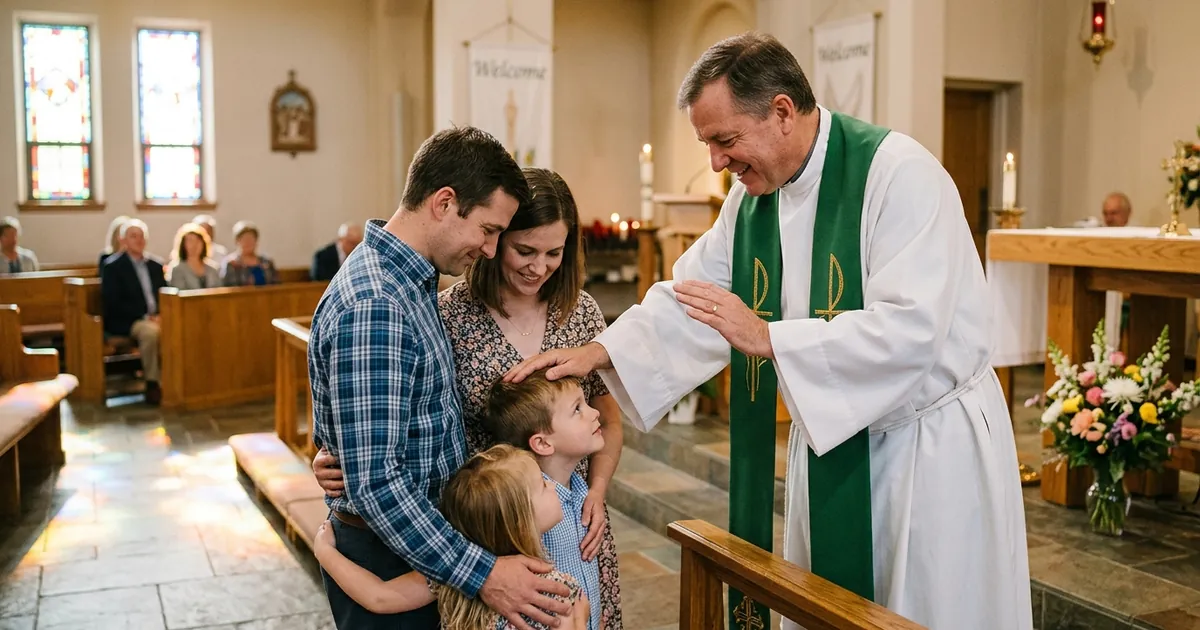
Catholics call priests “Father” because the Church understands Jesus' warning in Matthew 23:9 as a condemnation of pride and the usurpation of God's authority, not as a ban on every use of the word. Scripture itself uses “father” for biological relationships, ancestors, teachers, and spiritual leaders. Saint Paul says that he became a father to the Corinthians through the Gospel (1 Corinthians 4:15).
The title points to a priest's spiritual service under the one Father in heaven. It does not make a priest equal to God, guarantee personal holiness, or give permission to obey a priest when he commands something immoral. Proper spiritual fatherhood is received as a responsibility of service, truth, and care.
A prayer for faithful spiritual leadership
> God our Father, thank you for every pastor and teacher who serves your people with humility. Give priests wisdom, courage, chastity, patience, and a heart attentive to the vulnerable. Protect your Church from pride, secrecy, and abuse. Help me receive faithful guidance without surrendering my conscience, and make every Christian leader point beyond himself to Jesus Christ. Amen.
What Jesus says in Matthew 23
Matthew 23 records Jesus speaking against scribes and Pharisees who sought places of honor, enjoyed public recognition, and imposed burdens without carrying them themselves. The warnings about being called “rabbi,” “father,” and “master” occur within a larger critique of religious pride.
Jesus immediately directs his listeners toward humility: “The greatest among you shall be your servant.” The issue is not that words have become forbidden sounds. The issue is whether a religious teacher uses a position to replace God, demand admiration, or make others dependent on his status.
Catholic interpretation therefore holds together two truths:
- God is the ultimate source of life, truth, and fatherhood.
- Human beings can genuinely participate in God's gifts and serve as fathers, teachers, or guides without becoming rivals to God.
The title is wrong when it becomes vanity or control. It is not wrong merely because it names a real relationship of care.
The Bible uses “father” in more than one way
The Bible's own vocabulary makes a strictly literal ban difficult to sustain. Examples include:
- Biological fathers: The commandment to honor one's father and mother assumes the word can be used normally.
- Ancestors: Abraham is called “our father” in Romans 4 and elsewhere because of his role in the history of faith.
- Spiritual fathers: Paul tells the Corinthians, “I became your father in Christ Jesus through the gospel” (1 Corinthians 4:15).
- Religious elders: Stephen addresses the council as “brothers and fathers” in Acts 7:2.
- Teachers in the community: John addresses mature believers as “fathers” in 1 John 2:13–14.
These texts do not erase Jesus' warning. They clarify it. A human leader can be called father in a dependent, received, and accountable sense. No human being becomes the source of divine life or the final authority over conscience.
Is Jesus using hyperbole?
Jesus often uses deliberately strong language to expose a spiritual danger. In the same passage he warns against being called “rabbi” and “master,” yet the New Testament and Christian communities continue to recognize teachers and leaders. Elsewhere he says that if an eye causes someone to sin, it should be removed (Matthew 5:29), language Christians read as a forceful call to reject sin rather than an instruction for self-mutilation.
This does not mean every difficult saying is automatically hyperbole. Context matters. Matthew 23 emphasizes status, hypocrisy, and the refusal to serve. The Catholic application is that religious titles must never become a claim to God's place. The practice is acceptable only when the title remains subordinate to the truth that God alone is Father in the absolute sense.
What Catholic spiritual fatherhood means
Catholic theology sees a priest's fatherhood as a sacramental ministry, not a claim that the man personally creates grace. Through Holy Orders, the priest serves Christ and the Church in the ministry of the Word and sacraments. In Baptism, God adopts the believer; the priest is an instrument and minister of that sacramental action, not its source.
The title can therefore describe several forms of care:
- preaching and teaching the faith;
- baptizing and welcoming people into the Church;
- celebrating the Eucharist and guiding the community in worship;
- hearing Confession and proclaiming God's mercy;
- offering counsel, correction, prayer, and pastoral presence.
The priest's authority is ordered toward the spiritual good of the people. It is not ownership. A healthy priest points people to Christ rather than demanding secrecy, personal loyalty, money, or unquestioning access to their lives.
“In persona Christi” and accountability
The phrase in persona Christi means that the ordained minister acts sacramentally in the person of Christ, especially in the Church's liturgy. It does not mean that every opinion, habit, or decision of a priest is the voice of Christ. A priest can preach the Gospel faithfully and still need repentance, supervision, correction, or lawful accountability.
This distinction protects both sides of the relationship. Parishioners can receive the sacraments with faith without treating a priest as a celebrity. Priests can exercise pastoral responsibility without confusing spiritual fatherhood with control. Allegations of abuse, coercion, or criminal conduct should be reported through appropriate Church safeguarding and civil channels; “Father” is never a reason to stay silent about danger.
A respectful answer in conversation
If someone asks why Catholics use the title, a concise answer is:
> Matthew 23:9 warns religious leaders not to take God's place through pride. The Bible itself calls people fathers in biological and spiritual ways, including Paul in 1 Corinthians 4:15. Catholics call priests “Father” because they serve as spiritual fathers under God the Father, not because they are divine or beyond accountability.
The answer becomes more persuasive when it respects the questioner's concern. Many Christians who quote Matthew 23:9 are defending the uniqueness of God, and Catholics should agree with that concern before explaining the distinction.
Related prayers and guides
Anti-thin-content test
- Clear reason to exist: answers Matthew 23:9 through context, biblical examples, and Catholic spiritual theology.
- Practical usefulness: supplies a concise conversation answer, a prayer, and clear safeguards against clericalism and abuse.
- Distinctive depth: explains positive spiritual fatherhood rather than offering only a defensive list of verses.
- Intent satisfied: a reader can understand the Catholic position and discuss it without denying God's unique fatherhood.