tool / step-by-step scripture prayer guide
Lectio Divina: A Practical Guide to Praying with Scripture
Learn Lectio Divina step by step, choose a Gospel passage, pray with Scripture in ten minutes, and adapt the practice for children and families.
Part of the Tools prayer collection.
In brief
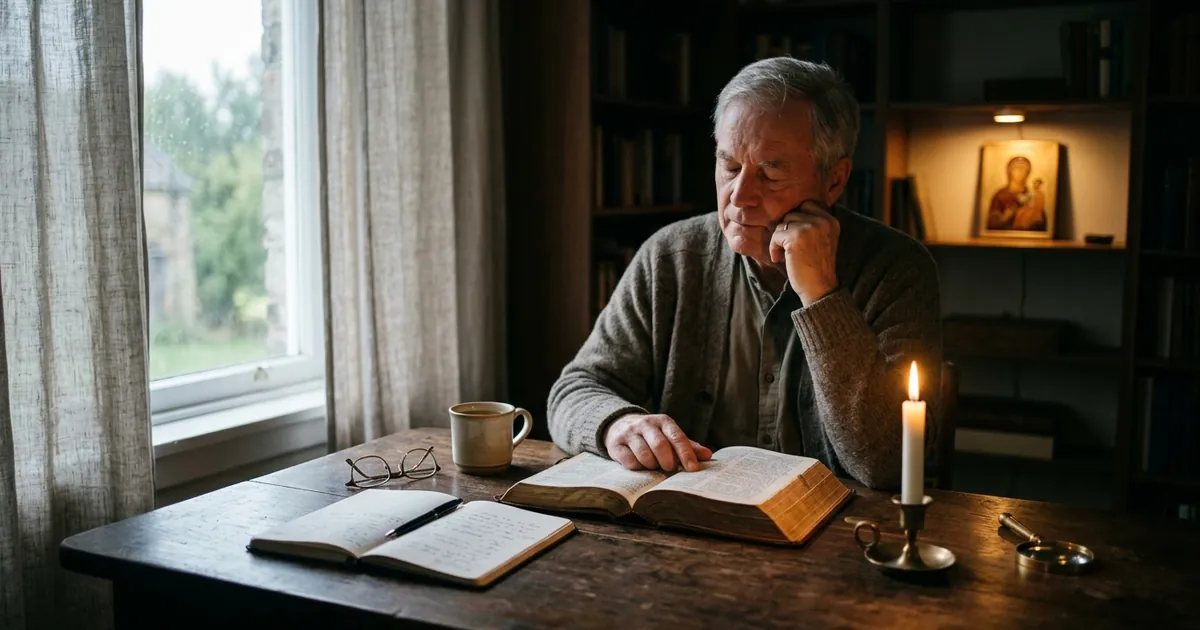
Lectio Divina, or “divine reading,” is a Christian way of praying with a short passage of Scripture. Instead of treating the Bible only as an academic object, the reader listens, reflects, responds to God, and rests in his presence. The classic movements are lectio (reading), meditatio (meditation), oratio (prayer), and contemplatio (contemplation).
Lectio Divina is not fortune-telling, a search for secret predictions, or a technique for making every passing thought a message from God. Scripture is read in context and within the faith of the Church. The aim is conversion and communion with Christ, not an emotional high or a private command that overrides reason, Scripture, moral responsibility, or professional help.
A prayer before Lectio Divina
> Holy Spirit, open my ears to the Word of God. Keep me faithful to what Scripture says, humble about what I do not understand, and ready to obey the love Christ teaches. Let my prayer become patience, courage, repentance, and service. Amen.
Before you begin
Choose a short passage—five to fifteen verses is enough. A Gospel passage from the day's Mass readings is a natural place to start. You can also use a Psalm, a passage from the Liturgy of the Hours, or read through one Gospel in order.
Prepare a quiet place, a Bible or approved app, and a time you can keep. Make the Sign of the Cross. Ask the Holy Spirit for humility and attention. You do not need a special voice, posture, candle, or emotional state.
The four movements
1. Lectio: read slowly
Read the passage once for the whole scene. Read it a second time more slowly. Notice a word, image, action, or question that draws your attention. Do not force a favorite phrase to mean something the passage does not say.
Ask:
- What is happening in the text?
- Who is speaking and who is listening?
- What does the passage actually say before I apply it to myself?
If the passage is difficult, read a trustworthy Catholic note or commentary later. Lectio is prayer, not a reason to ignore history, genre, or the wider canon.
2. Meditatio: stay with the word
Return to the word or verse that stood out. Repeat it gently. Consider what it reveals about God, Jesus, the human person, sin, mercy, or discipleship. Let it meet your real life: work, family, fear, gratitude, or a decision.
Meditation is not the same as inventing a private prophecy. Ask what faithful response the text invites, not what dramatic prediction it might hide. If the mind wanders, return without anger.
3. Oratio: answer God
Speak honestly. You may thank God, ask forgiveness, intercede, complain, praise, or ask for courage. Let the passage shape the prayer without pretending that a desired answer has already been given.
A prayer can be as simple as: “Jesus, I see that you are patient with the fearful. Make me patient today.” If the passage exposes a sin, ask for mercy and choose a concrete repair. If it brings comfort, receive the comfort without making a promise that every future event will go well.
4. Contemplatio: rest and receive
Stop trying to produce thoughts. Sit quietly with God for a short time. You may remain with a word, breathe normally, or simply be still. Distraction is normal; gently return rather than treating it as failure.
Contemplation does not require visions, unusual sensations, or a blank mind. If silence produces panic, dissociation, sleeplessness, grandiose beliefs, or loss of daily functioning, stop and seek qualified pastoral and mental-health help. Christian prayer respects the body and mind.
A ten-minute version
When time is limited:
- Minutes 1–2: make the Sign of the Cross and read a short Gospel passage twice.
- Minutes 3–5: repeat one word or sentence and notice what it reveals about Christ.
- Minutes 6–8: respond in an honest prayer for yourself and another person.
- Minutes 9–10: sit quietly, choose one act of love for the day, and close with the Sign of the Cross.
Ten minutes is not a lesser prayer if it is sincere. A short practice repeated consistently can be more useful than an ambitious hour that produces discouragement.
How to choose a passage
- The day's Gospel: connects personal prayer to the Church's liturgical calendar.
- The Psalms: give language for joy, grief, anger, trust, and praise; the Liturgy of the Hours is a rich source.
- A Gospel in sequence: read Mark or Luke a paragraph at a time so you do not chase isolated verses.
- A parish or family reading: use a passage the household can revisit during the week.
Avoid choosing a verse only to settle a personal argument. If you need guidance about a serious medical, legal, financial, or safety decision, pray with Scripture and also consult qualified professionals and trustworthy pastoral counsel.
Lectio Divina with children
Choose a short narrative such as Jesus calming the storm, the Good Samaritan, or the Prodigal Son. Read it from a children's Bible or a short approved translation. Ask:
- What did you notice?
- What did Jesus do?
- How did the people feel?
- What should our family do this week?
Let each person share one word or one prayer. Do not grade the answers or suggest that a child must report a supernatural message. End with the Lord's Prayer or a family blessing.
Lectio Divina and the Liturgy of the Hours
Lectio Divina and the Liturgy of the Hours can support each other. The Hours give a structured public prayer of Psalms, readings, and intercessions. Lectio may linger over a short passage and let it shape personal or family prayer.
You can pray Lectio with a brief reading from Morning or Evening Prayer, but do not claim that a personal adaptation is the complete liturgical hour. The two practices have different forms and both can lead the home toward the Church's prayer.
If you feel nothing
Lectio Divina is not measured by emotion. A person may feel peace, boredom, grief, distraction, or nothing obvious. Faithfulness can be prayer even when the experience is dry. Keep the practice short, choose sound passages, and let the fruits appear in patience and charity rather than in unusual sensations.
If prayer becomes compulsive, frightening, or tied to certainty-seeking, speak with one stable spiritual guide and a qualified mental-health professional. Do not chase signs or interpret every coincidence as a divine command.
Related prayers and guides
Anti-thin-content test
- Clear reason to exist: makes Lectio Divina practical for beginners, busy people, children, and families.
- Practical usefulness: explains four movements, passage selection, ten-minute practice, distractions, and safe boundaries.
- Distinctive depth: preserves the contemplative purpose while rejecting divination and unsupported private commands.
- Intent satisfied: a reader can begin praying with a short Scripture passage today.